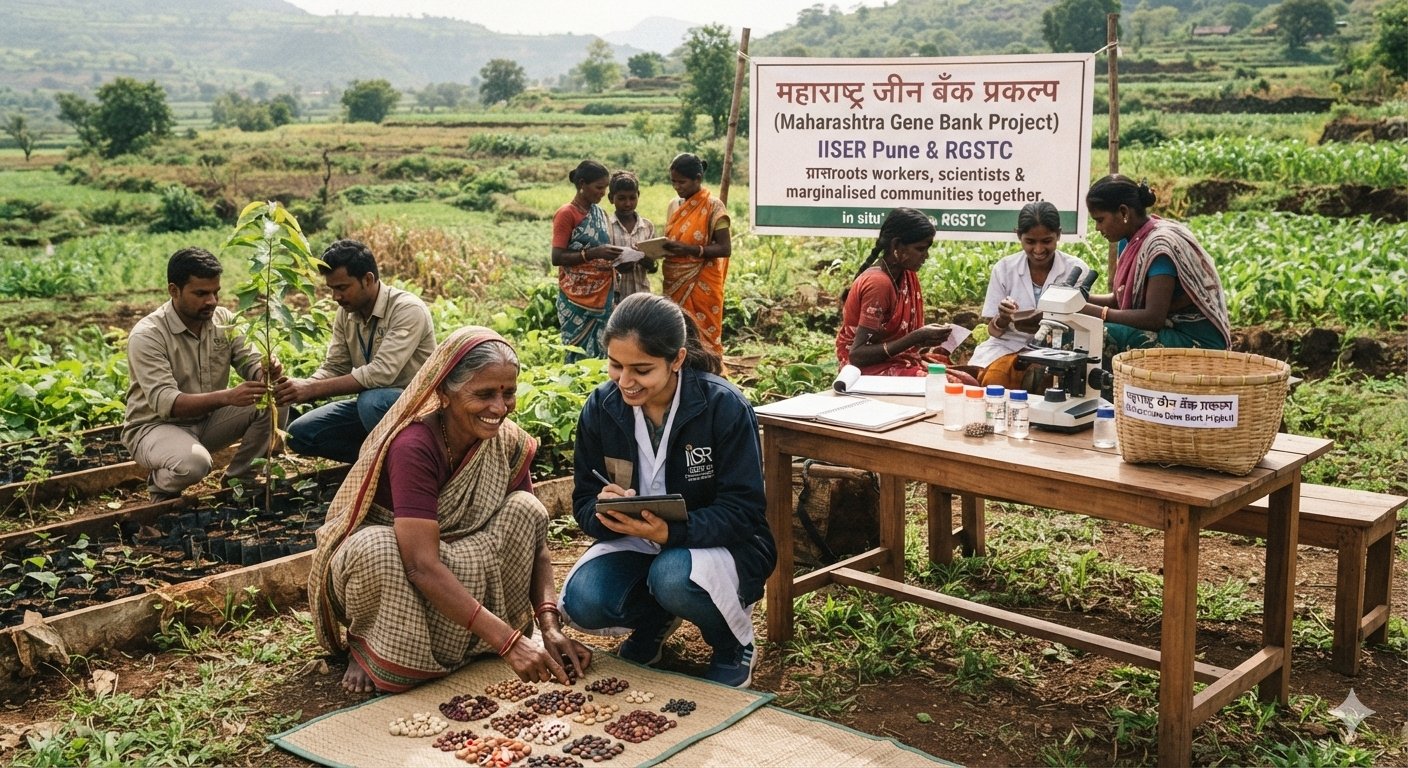
This section brings together the programme's implementation activities across eight thematic conservation streams in Maharashtra. Connecting high-level programme objectives with verified ground evidence, visitors can browse structured summaries by theme, phase, participating institutions, and geographical coverage.
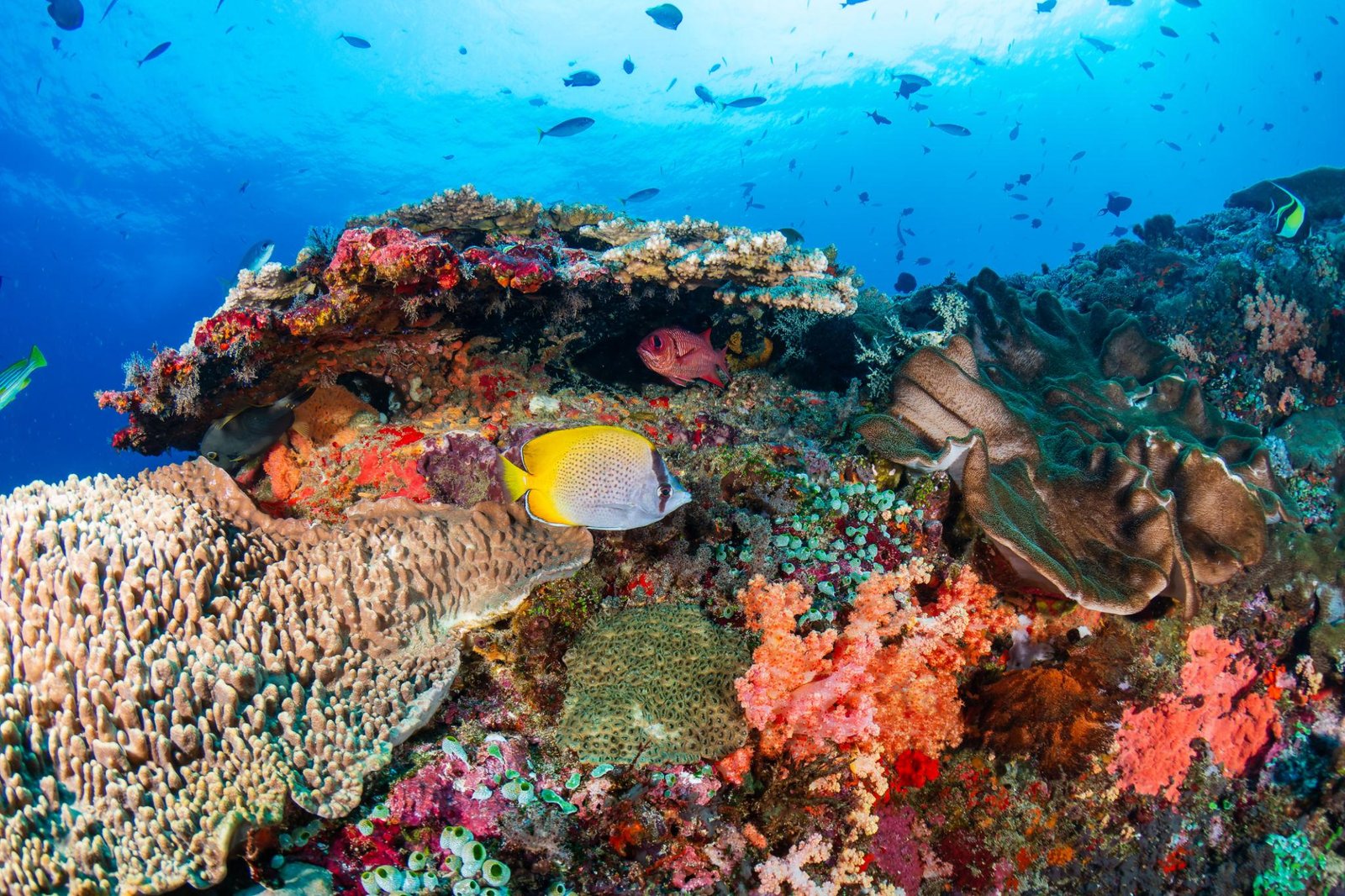
Objectives: Systematically inventory benthic invertebrate fauna along Maharashtra's 720 km coastline, establish baseline DNA barcodes, and document marine sponge secondary metabolites for pharmacology.
Methods: Scuba-assisted subtidal quadrate sampling, intertidal transects, morphological voucher preservation, and molecular taxonomic identification.
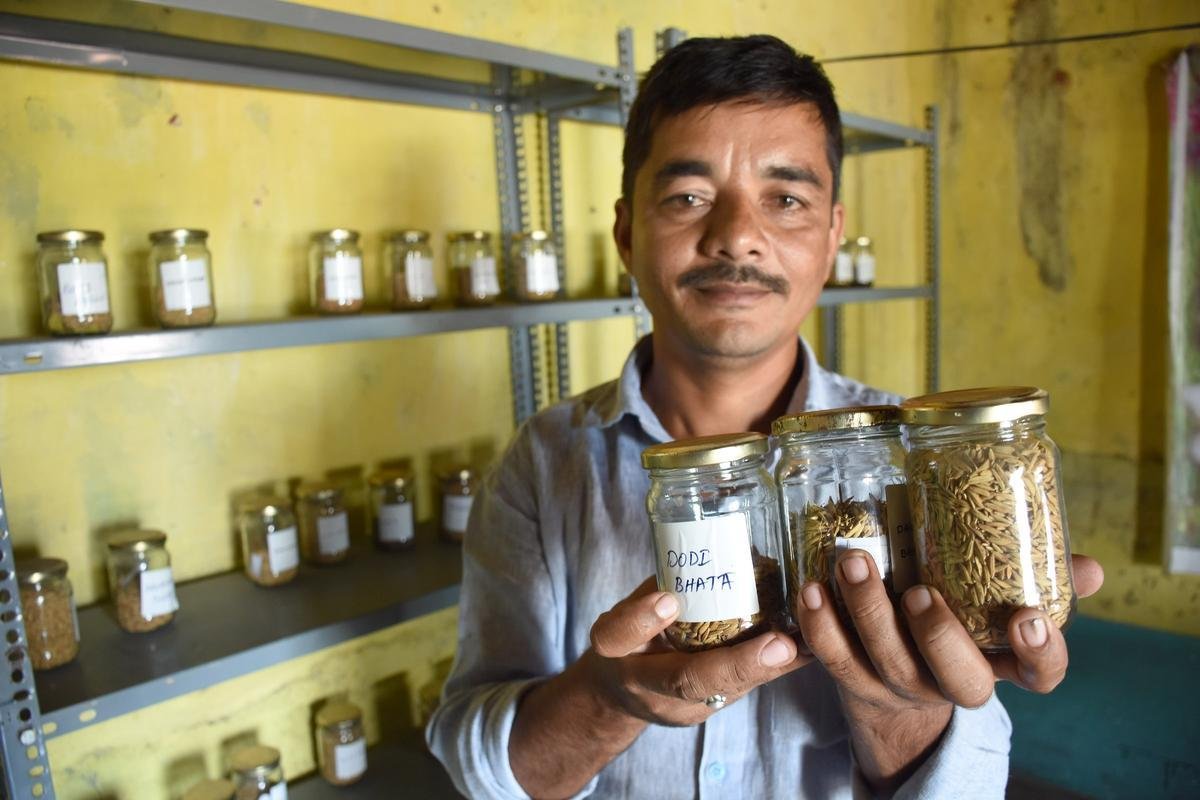
Objectives: Protect indigenous crop landraces from extinction, combat hybrid seed dependency, and establish community-owned seed sovereignty across tribal regions.
Methods: Establishing decentralized community seed banks, organizing annual seed fairs (Biyane Jatra), participatory on-farm varietal selection, and PPV&FR Act registration.
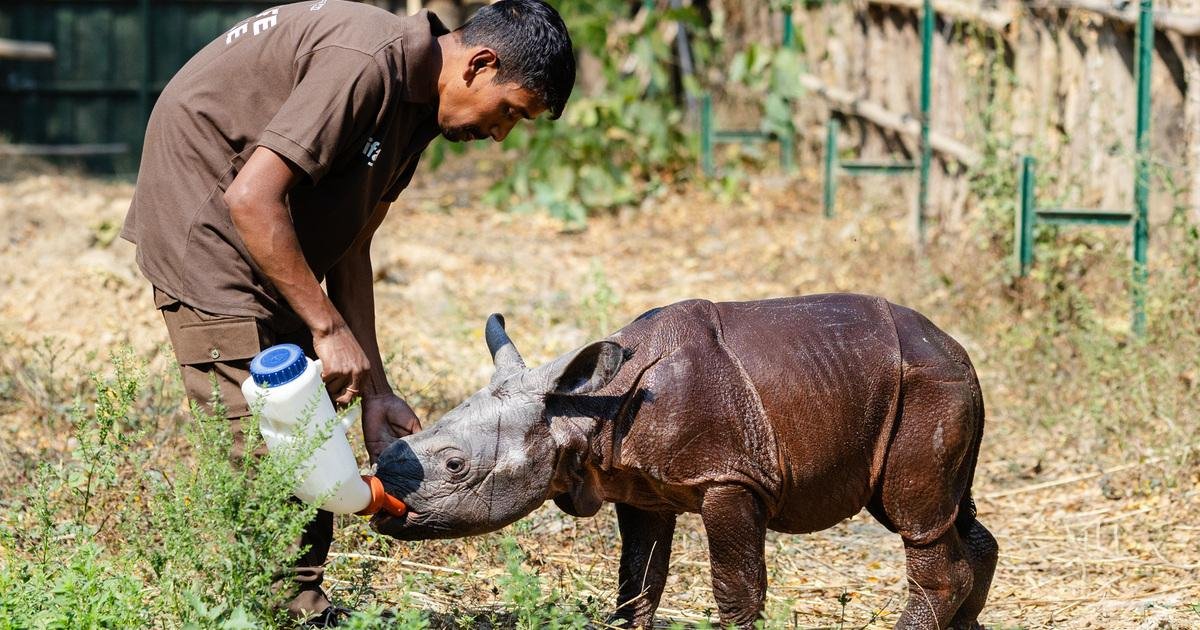
Objectives: Conserve hardy native draught and dual-purpose breeds (Dangi, Deoni, Osmanabadi), halt genetic dilution, and build breeder-led livestock societies.
Methods: Field progeny testing, pedigree registry, deep-frozen cryo-preservation of semen doses, and community-run breeder associations.
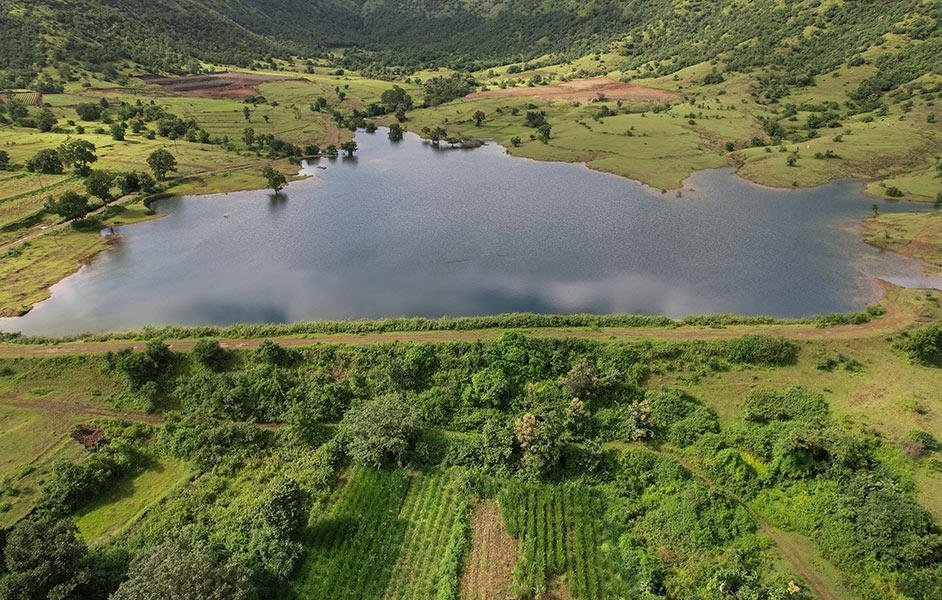
Objectives: Rehabilitate silted historic Malguzari water bodies, protect indigenous riverine fish diversity, and secure customary livelihoods of Dhimar fisherfolk.
Methods: De-silting, eradication of invasive tilapia/African catfish, aquatic vegetation replanting, and declaring community fish sanctuaries during breeding seasons.
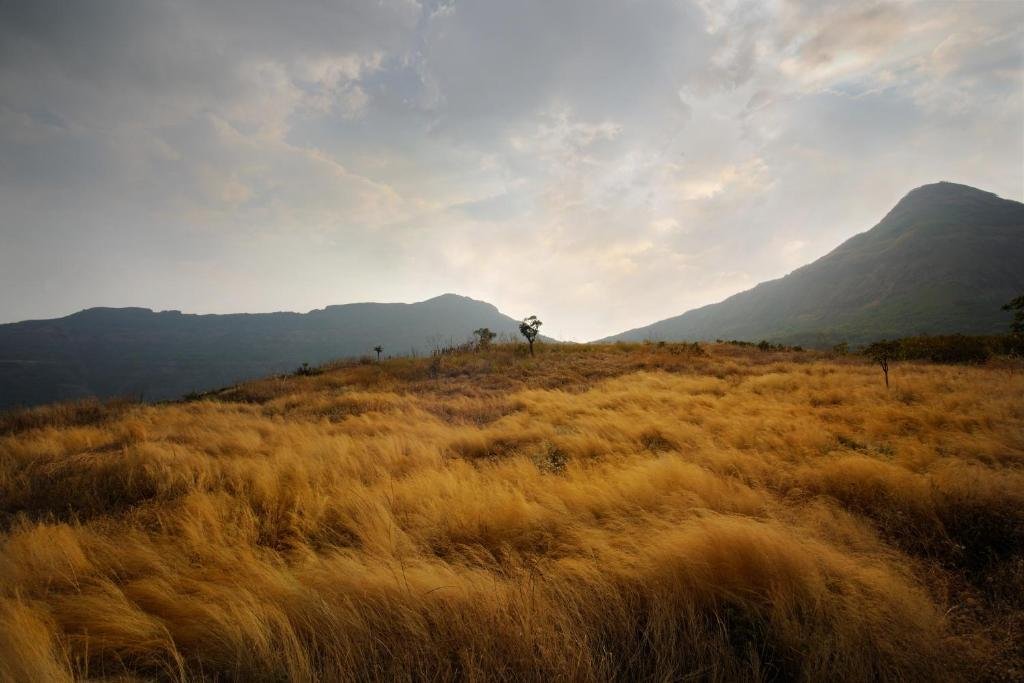
Objectives: Reclaim degraded semi-arid grasslands, restore native nutritious fodder grass species, and safeguard the breeding habitat of the critically endangered Lesser Florican.
Methods: Participatory rotational grazing (Charai Bandi), contour trenches, eradicating invasive Prosopis juliflora, and community monitoring.
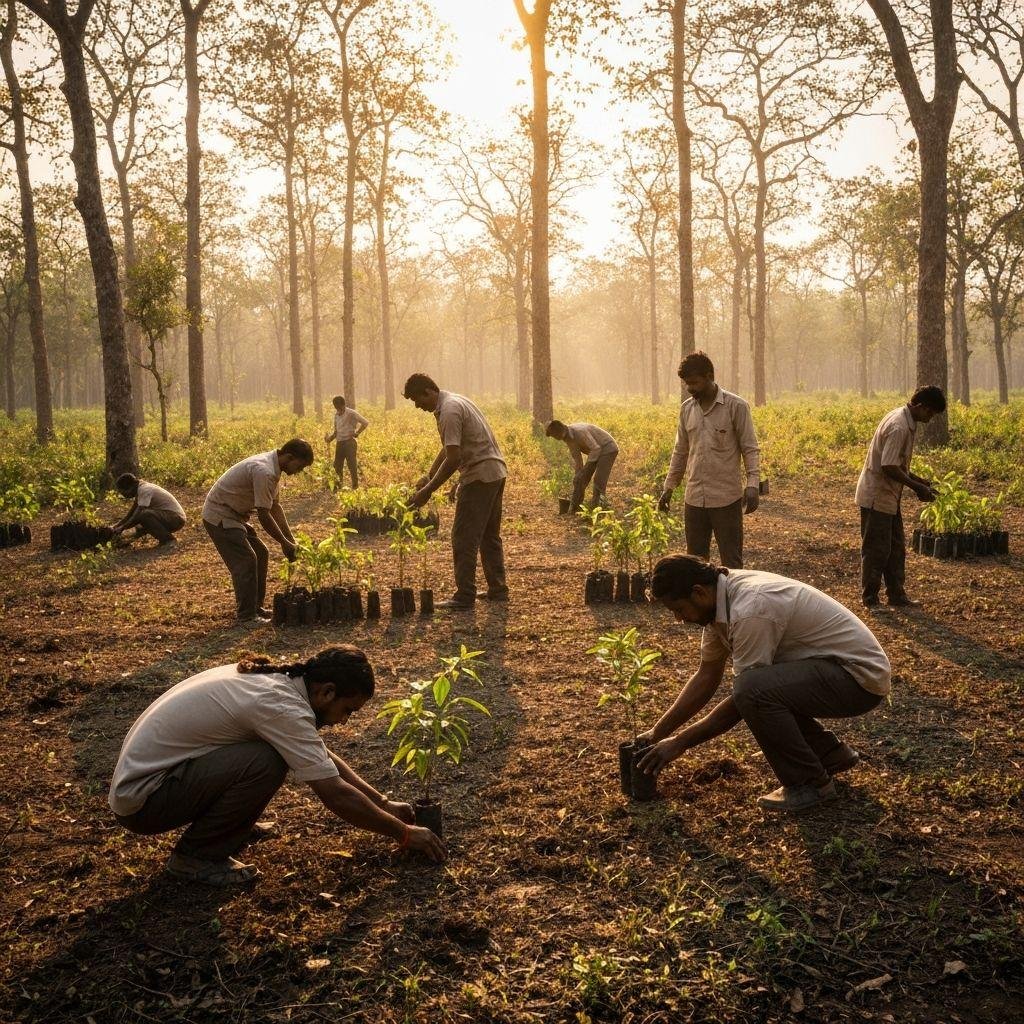
Objectives: Protect ancient climax relic sacred groves from degradation, establish sustainable Non-Timber Forest Produce (NTFP) protocols, and strengthen tribal Gram Sabhas under FRA 2006.
Methods: Botanical inventory, planting native climax species, live fencing, non-destructive harvesting guidelines, and decentralized CFR value chains.
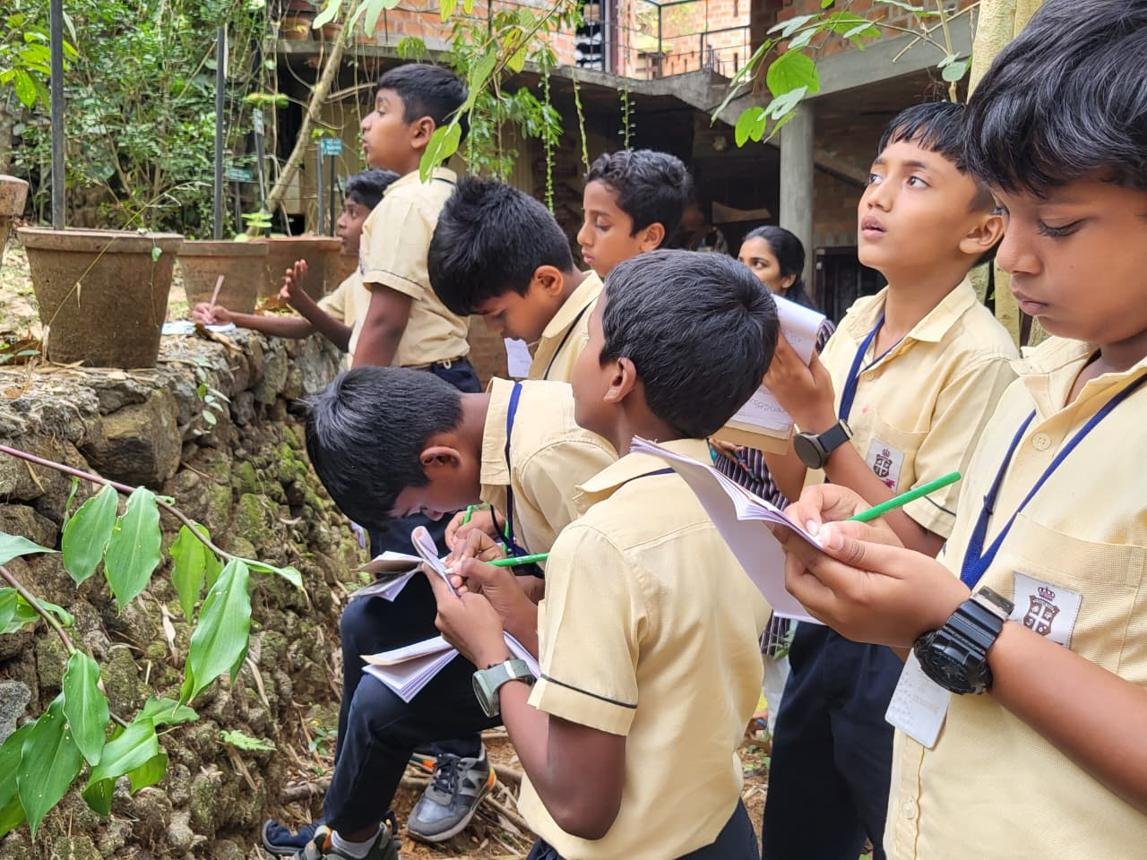
Objectives: Foster grassroots biodiversity stewardship among rural youth, build experiential learning modules, and support village-level People's Biodiversity Registers (PBRs).
Methods: Field training for science teachers, student-curated village biodiversity registers, seasonal bird counts, and indigenous herbarium preparation.

Objectives: Integrate multi-thematic field datasets, voucher specimens, DNA barcodes, and community registries into an open, secure, cloud-hosted relational database.
Methods: PostgreSQL / PostGIS spatial database architecture, standardized data validation pipelines across 20 partner institutes, and role-based access control.
A pioneering multi-institutional consortium combining 3 national R&D laboratories, 2 premier academic universities, and 15 grassroots conservation organisations across 29 districts of Maharashtra.