Grassland & Savanna Biodiversity
Community protection of semi-arid grasslands and savanna woodlands, documenting indigenous fodder grasses, securing pastoralist livelihoods, and monitoring flagship avifauna including the critically endangered Lesser Florican.
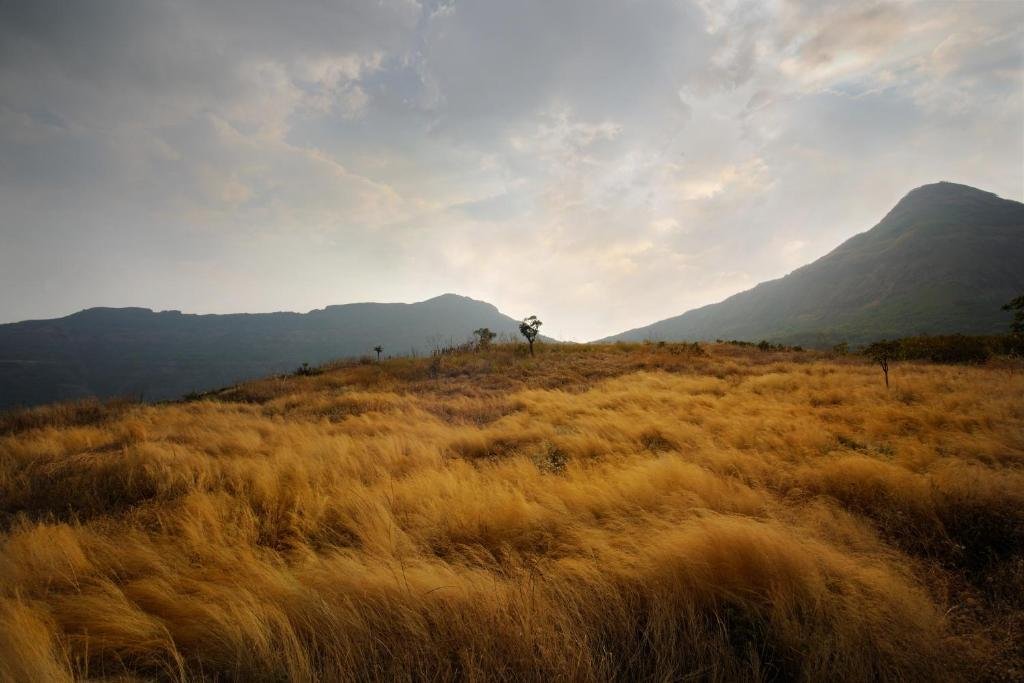
Fodder Security, Florican Breeding & Pastoralist Communities
Grasslands are among India's most threatened ecosystems, frequently misclassified as "wastelands". The project mobilised Gram Panchayats and pastoral communities across Akola, Dhule, and Hingoli districts to formulate rotational grazing schedules, restore indigenous perennial grass germplasm, and map village common lands in People's Biodiversity Registers (PBRs).
Grassland protected & conserved
Indigenous grass species documented
Villages with detailed PBRs
Livestock-keeping families supported
Lesser Florican Breeding Grounds Verified
The project site in Akola represents the only confirmed location in Maharashtra with continuous photographic breeding records of the critically endangered Lesser Florican (Sypheotides indicus).
Grassland protection simultaneously secured green and dry fodder reserves during seasonal droughts, preventing premature distress livestock sales among local pastoralists.
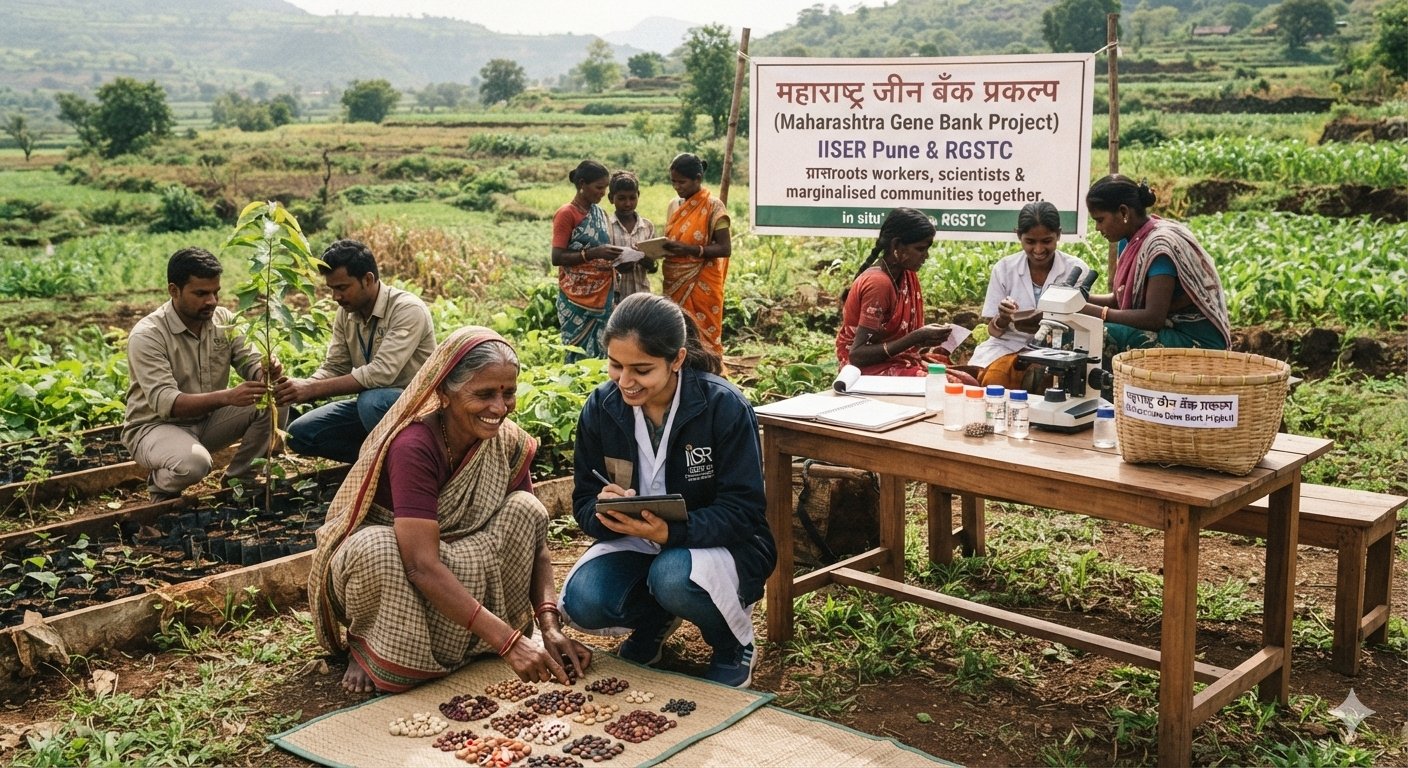
Implementing Partners (Phase 1): Samvedana (Karanja Lad, Washim & Akola) • Vasudha (Dhule) • Ugam Rural Development Society (Hingoli)
Statewide Grassland Policy & CAMPA Ecological Restoration
As a direct milestone of the MGBP findings, the Government of Maharashtra constituted a joint Animal Husbandry and Forest Working Group on Grassland Development with a project principal investigator appointed as an expert member. Phase 2 leverages CAMPA funding to scale community grassland restoration.
Policy Notification
Advocacy for a dedicated Maharashtra Grassland Policy that prohibits tree planting on natural climax grasslands.
Seed Germplasm Banks
Multiplication nurseries for high-protein indigenous fodder grasses (Dichanthium, Cenchrus, Sehima, Heteropogon).
Pastoralist Grazing Rights
Mapping community pasture rights under the Forest Rights Act (Section 3(1)(d)) across drought-prone talukas.
Coordination & Scientific Oversight: Rajiv Gandhi Science & Technology Commission • IISER Pune Coordination Cell • Maharashtra State Biodiversity Board & Forest Department