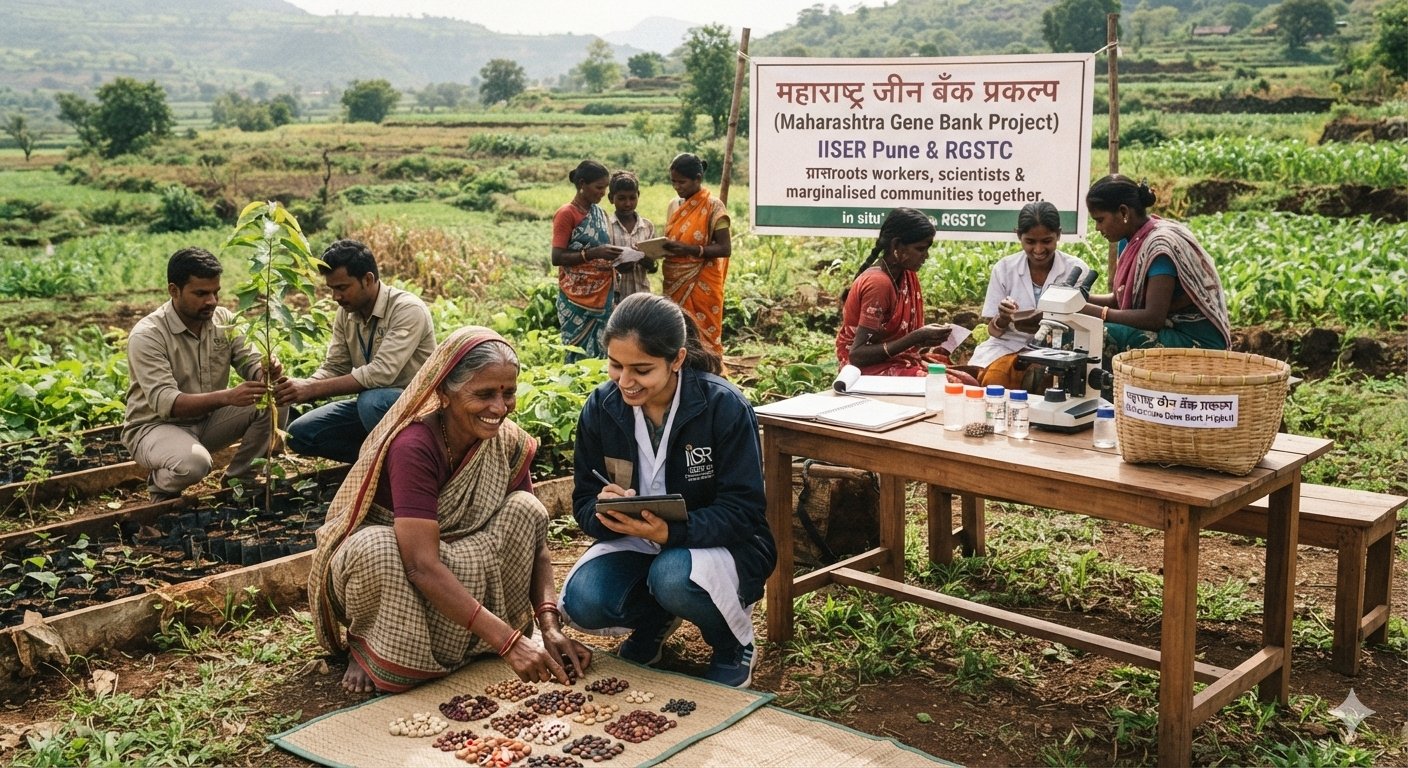
Marine Biodiversity
Conserving marine invertebrates and microbial diversity along the Maharashtra coast, surveying coral reef ecosystems at Malvan, characterizing bioactive secondary metabolites, and pioneering ex situ sponge culture.
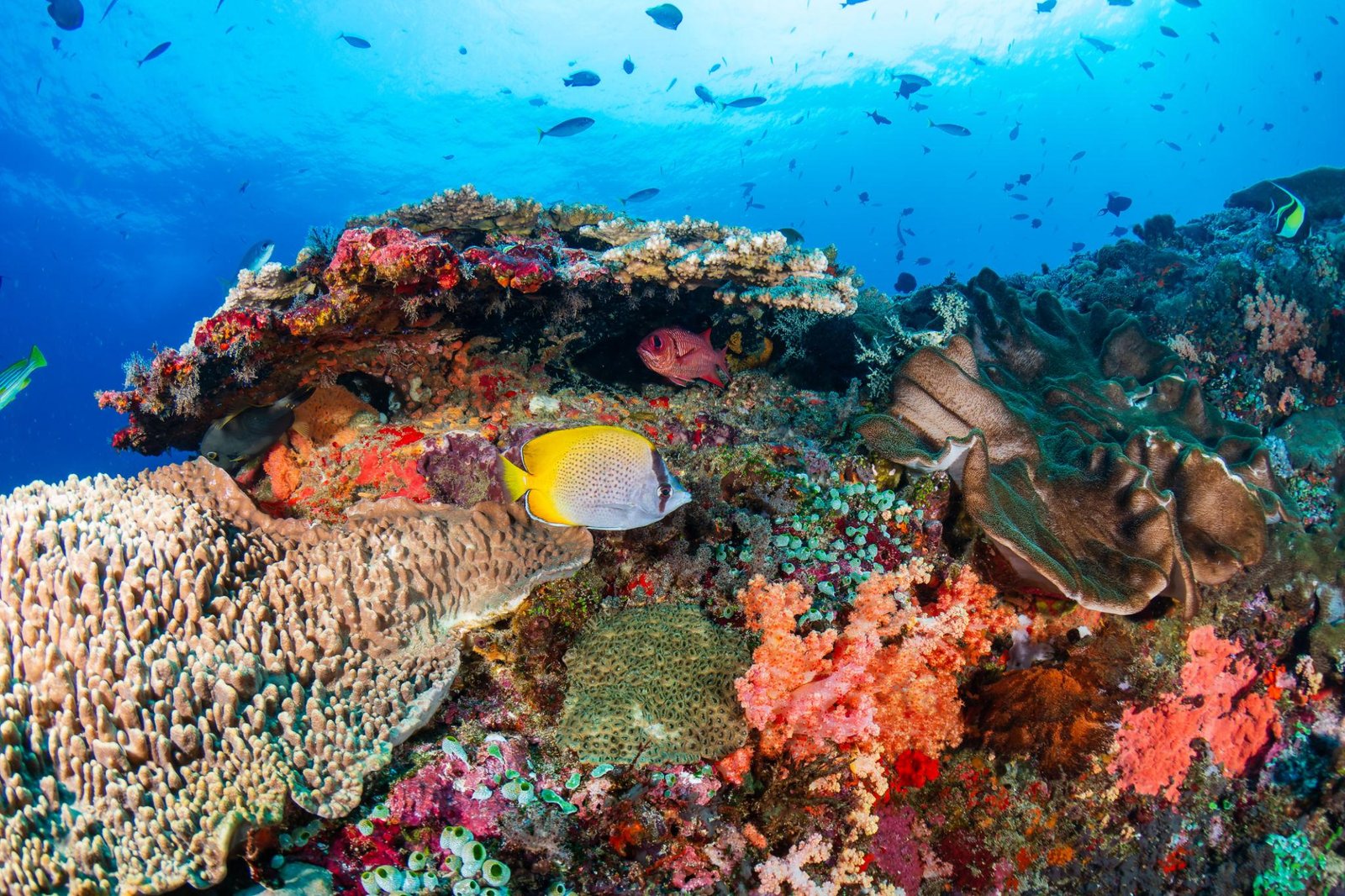
Sponges and Their Microbes Along the Maharashtra Coast
Marine invertebrates produce specialized bioactive compounds not commonly found in terrestrial organisms. The research consortium inventoried marine sponges along the Konkan coastline, isolated and cultured associated microorganisms, screened them for pharmaceutical potential, and documented coral bleaching events in the Malvan Marine Sanctuary.
Sponge species identified & catalogued
Prokaryotes identified from 2,821 isolates
Novel bioactive compounds isolated
Peer-reviewed scientific publications
Target Ecosystems & Habitats
Systematic biodiversity surveys spanned subtidal rocky reefs, coral patches, and estuarine waters along the 720 km Maharashtra shoreline.
- Malvan Marine Sanctuary and Sindhudurg coral beds.
- Subtidal rocky reefs across Ratnagiri and Raigad coasts.
- Intertidal mudflats and coastal estuarine zones.
Field Methods & Scientific Protocol
Combined SCUBA underwater transects with advanced microbial genomics and pharmaceutical characterization in research laboratories.
- SCUBA diving sampling and underwater photography documentation.
- 16S rRNA gene sequencing to classify novel microbial taxa.
- Antimicrobial, anti-biofilm, and cytotoxicity laboratory bioassays.
A Remarkable New Marine Species
Cliona thomasi, a newly described coral-boring sponge discovered during project surveys, was formally named among LifeWatch's ten remarkable new marine species of 2019.
Additionally, two sponge species were successfully cultured in laboratory conditions at CSIR-NIO and IISER Pune as a vital technical milestone toward ex situ marine germplasm conservation.
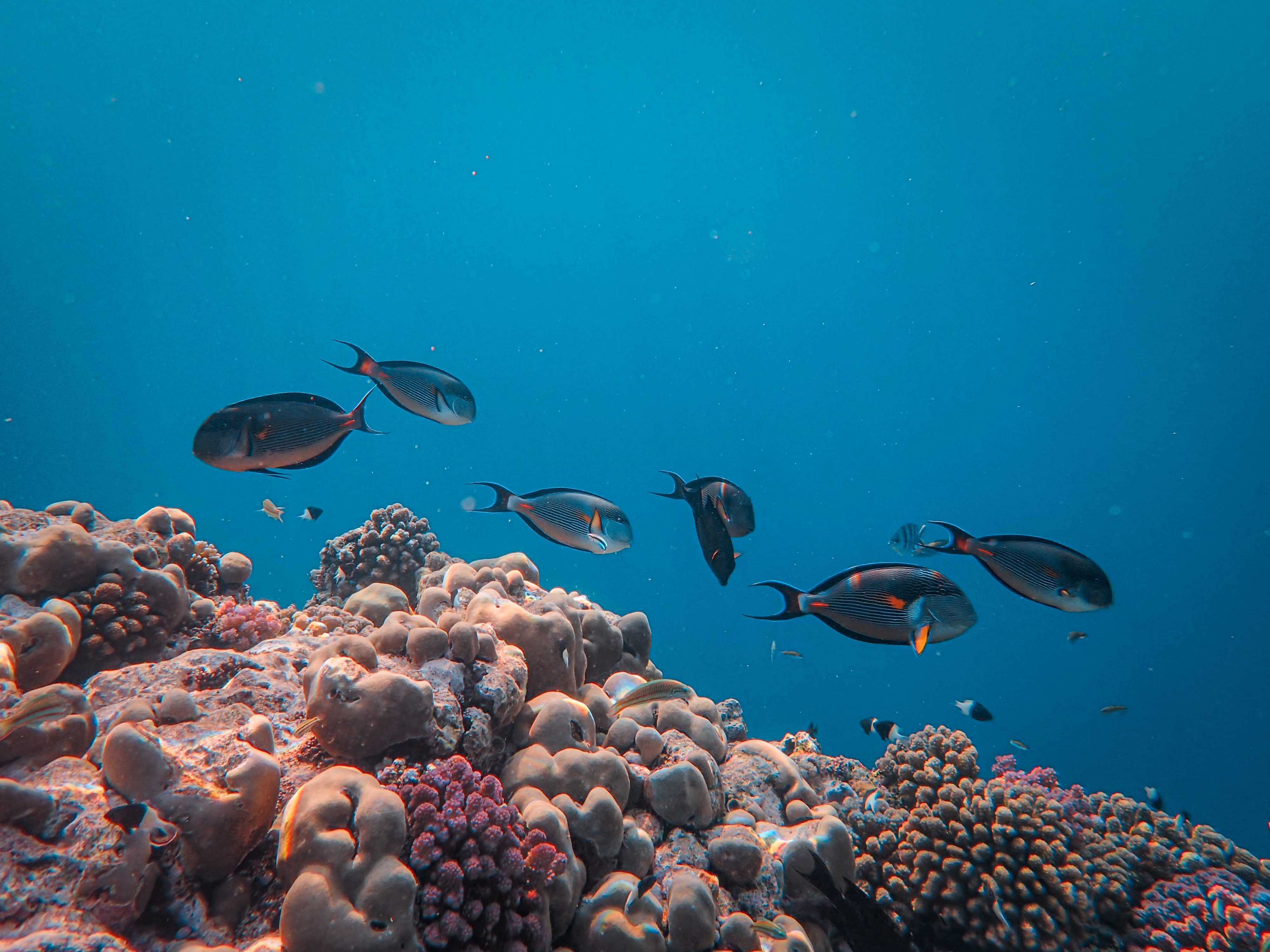
Research Partners (Phase 1): IISER Pune (Lead Scientific Coordinator) • CSIR–National Institute of Oceanography (NIO), Goa • College of Fisheries, Ratnagiri • National Centre for Cell Science (NCCS), Pune
Deep-Sea Microbial Screening & Marine Protected Habitats
Phase 2 advances marine biodiversity documentation into deeper continental shelf transects, expanding the ex situ sponge culture collection at NIO and NCCS, testing bioactive secondary metabolites for anti-microbial and anti-cancer properties, and supporting coastal fishing panchayats in Malvan and Ratnagiri to monitor coral reef thermal bleaching events.
Deep-Shelf Transects
Exploration of deeper benthic continental shelf zones off the Konkan coast using specialized deep-water sampling.
Biomedical Drug Discovery
Pre-clinical screening of isolated sponge bacterial metabolites against multidrug-resistant pathogens and cancer cell lines.
Community Reef Monitoring
Partnering with artisanal coastal fishing panchayats in Malvan and Ratnagiri to monitor coral thermal bleaching and water quality.
Coordinating Institutions: Rajiv Gandhi Science & Technology Commission • IISER Pune Coordination Cell • CSIR-NIO & College of Fisheries Ratnagiri