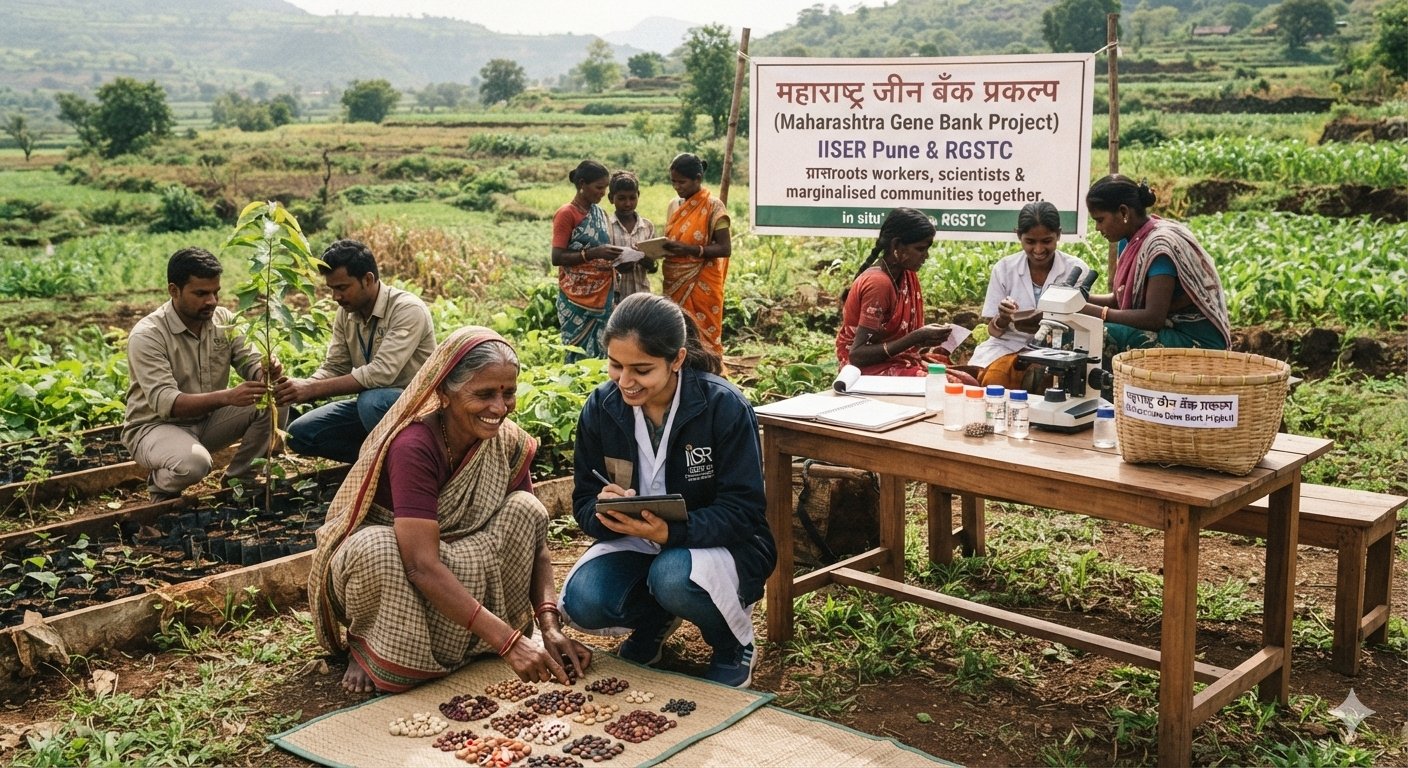
Freshwater Fish & Shellfish Diversity
Conserving and restoring indigenous freshwater fish and molluscan diversity in the centuries-old Malguzari tank ecosystems of eastern Vidarbha through community stewardship, habitat restoration, and policy advocacy.
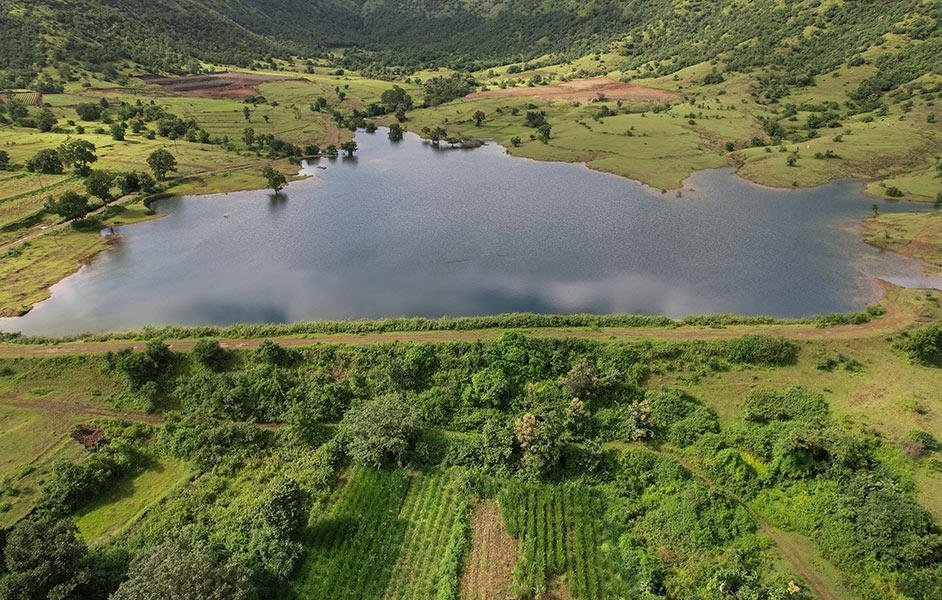
Historical Malguzari Tanks of Bhandara and Gondia
The historical network of thousands of Malguzari tanks in Bhandara and Gondia supports extraordinary indigenous fish, freshwater crabs, prawns, and bivalves. Fishing cooperatives worked with Gram Panchayats and women's self-help groups to reserve designated tanks exclusively for indigenous biodiversity breeding, systematically remove choking invasive aquatic weeds (Ipomoea carnea), and re-introduce indigenous species.
Tanks reserved for biodiversity
Water spread area reserved
Degraded community tanks restored
Ecologically restored aquatic area
Step-by-Step Tank Restoration Protocol
A comprehensive Marathi-language manual detailing community tank desiltation, macrophytic balancing, and native fingerling stocking was published and disseminated across fishing societies.
In collaboration with traditional Dhimar and Bhoi fishing communities, a Draft Freshwater Fishery Policy was prepared and submitted to the government, advocating for the separation of commercial carp monoculture from traditional subsistence indigenous fisheries.
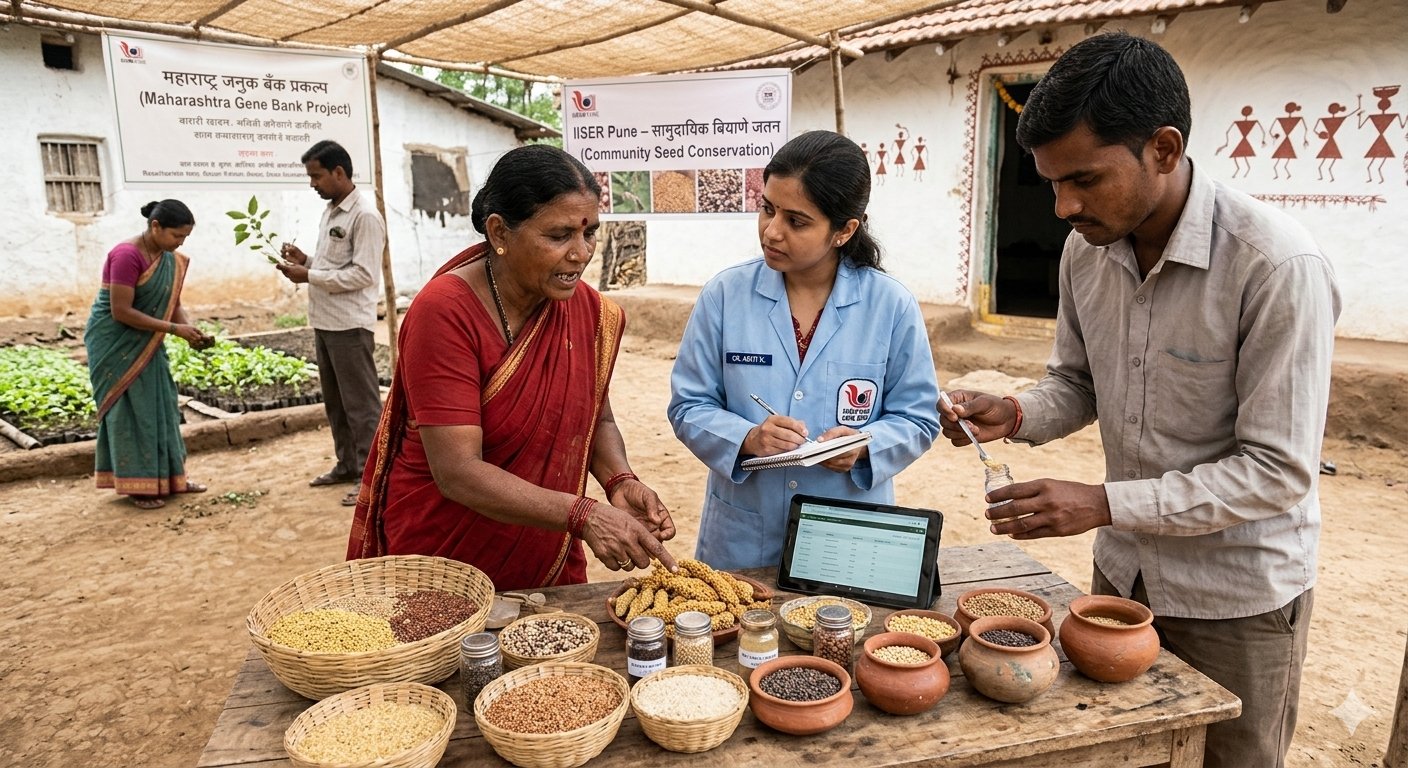
Implementing Partner (Phase 1): Bhandara Nisarg va Sanskritik Abhyas Mandal • Local Inland Fishermen Cooperative Societies (Gondia & Bhandara)
Indigenous Hatcheries, Shellfish Farming & River Basin Networks
Phase 2 extends inland water conservation across the Wainganga river basin, scaling community-managed hatcheries for vulnerable small indigenous fish (SIFs) such as Murrel, Singhi, and native carps, while introducing sustainable harvesting protocols for freshwater mussels and edible snails.
Native Fish Hatcheries
Decentralized community breeding pens to counteract the ecological dominance of invasive African Catfish and Bighead Carp.
Fish Sanctuary Sanctions
Formal notifications with Fisheries and Revenue departments declaring deep-pool refuges (*Doh*) as non-fishing seasonal breeding zones.
Hydrological Mapping
GIS-based hydro-period documentation in the central MGBP portal tracking seasonal water retention and nutrient regimes.
Coordination & Scientific Oversight: Rajiv Gandhi Science & Technology Commission • IISER Pune Coordination Cell • College of Fisheries, Ratnagiri & State Fisheries Department